Source Freshwater Pearl Bow Bracelet for Gifts and Decor
Compare 30 freshwater pearl bow bracelet options from verified suppliers in Guangdong, China. Buyers can evaluate materials like stainless steel and pearl, customization services, and shipping methods for formal or informal occasions; compare the available evidence and request quotations based on your requirements.
Key considerations
Products List


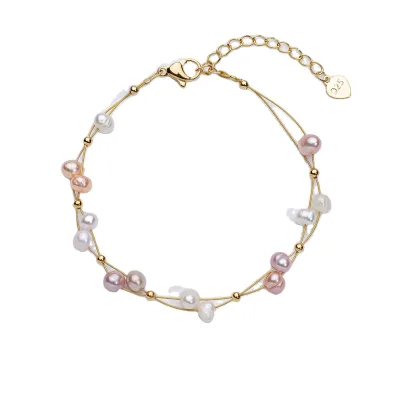


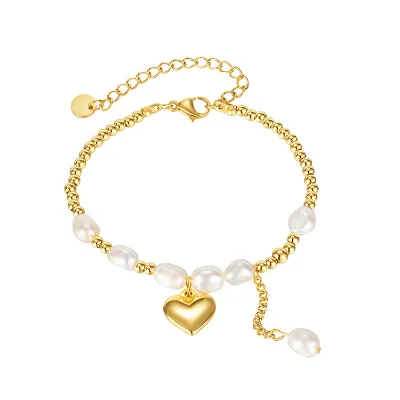
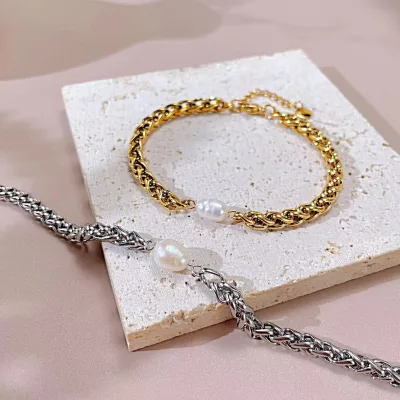

Comprehensive Sourcing Guide
Freshwater Pearl Bow Bracelet Sourcing Guide
Sourcing freshwater pearl bow bracelets requires a nuanced understanding of both the organic nature of the gemstone and the structural integrity of the metal setting. Buyers must recognize that these pieces often serve as delicate fashion accessories rather than heavy-duty jewelry, necessitating careful handling during logistics and storage. The aesthetic appeal relies heavily on the luster and shape of the freshwater pearls, which can vary significantly even within the same batch. Consequently, establishing clear visual standards and sample approval processes is critical before committing to large production runs.
The bow motif adds a layer of complexity to the manufacturing process, requiring precise metalwork to ensure symmetry and durability. Procurement teams should evaluate suppliers based on their ability to maintain consistent plating quality, particularly if the design involves gold or rose gold finishes. Since these items are frequently marketed for formal occasions or as gifts, the final polish and packaging must reflect a premium feel. Understanding these dual requirements helps buyers align their expectations with supplier capabilities, reducing the risk of receiving products that fail to meet brand standards for elegance and finish.
Product Scope and Observed Listing Signals
Market listings for freshwater pearl bow bracelets often highlight specific material compositions and finishing techniques that define their value proposition. Buyers frequently encounter products described as stainless steel with PVD plating, which offers enhanced durability and color retention compared to standard electroplating. The presence of cubic zirconia or crystal accents is common, adding sparkle to the bow design while keeping costs manageable. Observing these signals allows procurement specialists to categorize suppliers accurately, distinguishing between those offering high-end gemstone settings and those focusing on affordable, fashion-forward alternatives.
Listing details also reveal important operational parameters such as minimum order quantities and customization options. Many suppliers indicate support for OEM and ODM services, suggesting flexibility in design modifications and branding. Packaging is typically described as individual OPP bags, though custom packaging is often available for larger orders. These signals provide a baseline for understanding the supplier’s operational scale and willingness to accommodate specific buyer requirements. Analyzing these listing attributes helps buyers identify partners who can scale with their business needs while maintaining consistent product quality.
Technical Specifications to Verify
Verifying technical specifications is essential to ensure the bracelet meets both aesthetic and functional requirements. Buyers should confirm the exact size options available, as freshwater pearls come in various diameters that affect the overall look and fit of the bracelet. The model number, such as B8258 or B8519, serves as a unique identifier for specific designs, allowing for precise reordering and quality comparison. Additionally, the type of polish, whether high mirror polished or hand polished, significantly impacts the final appearance and should be explicitly defined in the purchase agreement to avoid discrepancies.
The plating process is another critical technical aspect that requires verification. PVD plating is often cited for its superior adhesion and resistance to tarnishing, making it a preferred choice for long-lasting jewelry. Buyers must also check the hypoallergenic properties of the materials, especially if the target market includes individuals with sensitive skin. Confirming the stone grade, such as AAAAA cubic zirconia, ensures that the brilliance and clarity meet expected standards. These technical details form the foundation of product quality and must be rigorously checked during the sampling phase.
Compliance and Safety Documentation
Compliance with international safety standards is non-negotiable for jewelry imports, particularly when dealing with metals and gemstones. Buyers should request certificates such as SGS or Reach compliance to ensure that the materials used do not contain harmful substances like lead or nickel. These certifications provide assurance that the products are safe for consumer use and meet the regulatory requirements of target markets. Without proper documentation, shipments may be delayed or rejected at customs, leading to significant financial losses and supply chain disruptions.
Additionally, quality management system certifications like ISO9001 indicate that the supplier has established robust processes for maintaining consistent product quality. BSCI certification further suggests adherence to ethical labor practices, which is increasingly important for brands focused on corporate social responsibility. Buyers should verify the validity of these certificates and ensure they cover the specific products being sourced. Regular audits or third-party inspections can provide additional confidence in the supplier’s commitment to compliance and ethical manufacturing standards.
Cost Drivers and Commercial Terms
Understanding the cost drivers behind freshwater pearl bow bracelets helps buyers negotiate better terms and forecast budgets accurately. The primary cost factors include the quality of the freshwater pearls, the type of metal used, and the complexity of the bow design. PVD plating and high polish finishes add to the production cost but offer greater value in terms of durability and appearance. Buyers should also consider the impact of customization, such as logo engraving or custom packaging, which can increase per-unit costs but enhance brand recognition.
Commercial terms, including minimum order quantities and payment methods, play a crucial role in the procurement process. MOQs can range from small batches for testing to larger volumes for full-scale production, influencing inventory management strategies. Payment terms such as PayPal, T/T, or Western Union offer flexibility but may come with different security levels. Lead times, typically ranging from 7 to 15 days, must be factored into production schedules to ensure timely delivery. Clear communication of these terms prevents misunderstandings and ensures a smooth transaction process.
Supplier Qualification and Quality Control
Qualifying suppliers involves a thorough assessment of their manufacturing capabilities, quality control processes, and customer service responsiveness. Buyers should request detailed product samples to evaluate the craftsmanship, including the symmetry of the bow and the setting of the pearls. Inspecting the finish and plating quality under various lighting conditions helps identify potential defects that may not be visible in standard product photos. Establishing a strong relationship with the supplier through regular communication ensures that any issues are addressed promptly and effectively.
Implementing a robust quality control plan is essential to maintain product consistency across production batches. This may include pre-production samples, in-line inspections, and final random inspections before shipment. Buyers should define clear acceptance criteria for defects, such as scratches, loose stones, or plating imperfections, and communicate these standards to the supplier. Regular feedback loops help suppliers improve their processes and align with the buyer’s quality expectations. A proactive approach to quality control minimizes the risk of receiving substandard products and protects the brand’s reputation.
Long-Term Procurement Checks
Long-term procurement success depends on continuous monitoring of supplier performance and market trends. Buyers should regularly review supplier metrics, including on-time delivery rates, defect rates, and responsiveness to inquiries. Tracking these metrics helps identify potential issues early and allows for corrective actions before they impact the supply chain. Additionally, staying informed about changes in consumer preferences, such as shifts in popular colors or designs, enables buyers to adapt their product offerings accordingly.
Building a diversified supplier base reduces dependency on a single source and mitigates risks associated with supply chain disruptions. Buyers should periodically evaluate alternative suppliers to ensure competitive pricing and quality standards. Regularly updating product specifications and requirements based on feedback from sales and customer service teams ensures that the sourced products remain relevant and desirable. By maintaining a strategic approach to supplier management, buyers can secure a reliable supply of high-quality freshwater pearl bow bracelets that meet evolving market demands.
FAQs
What materials are used for the freshwater pearl bow bracelet?
The bracelet is crafted from stainless steel and features freshwater pearls as the primary decorative element. Some variations may include cubic zirconia or crystal stones. The metal components are often plated with PVD or 18K gold to ensure a durable and shiny finish suitable for formal occasions.
Can I customize the size and packaging of this bracelet?
Yes, customization is available for both size and packaging. You can select from small, medium, or large sizes, or request a custom dimension. The standard packaging is an OPP bag, but custom packaging options are also acceptable to meet your specific branding or gifting requirements.
Which certifications do the manufacturers hold for these bracelets?
Manufacturers typically hold certifications such as SGS, Reach, ISO9001, and BSCI to ensure quality and compliance. These documents verify that the products meet international safety and production standards. Buyers can request these certificates to confirm the authenticity and reliability of the supplier before placing an order.
How long is the delivery time for a custom order?
The standard delivery time ranges from 7 to 15 days depending on the order complexity and customization level. Some orders may require up to 15 days for processing. Shipping methods like DHL, FedEx, or UPS are used to ensure timely arrival at your specified destination.
What is the minimum order quantity for purchasing these bracelets?
The minimum order quantity varies by supplier but typically starts at 20 pieces or 100 pieces. Some vendors may accept orders as low as one piece for sampling purposes. Buyers should verify the specific MOQ with the manufacturer to ensure it aligns with their procurement needs.
Are these bracelets hypoallergenic and suitable for sensitive skin?
Yes, the bracelets are designed to be hypoallergenic, making them safe for sensitive skin. The stainless steel base and high-quality plating prevent skin irritation. This feature ensures comfort during extended wear, whether for formal events or daily decoration.
Which payment methods are accepted for bulk orders?
Accepted payment methods include PayPal, T/T, and Western Union to facilitate secure transactions. These options provide flexibility for international buyers and suppliers. The specific terms may vary based on the order value and the agreement reached between the buyer and the vendor.